
Emotional Regulation for Men: A Practical Guide to Managing Emotions and Building Inner Stability
Emotions influence how we think, react, communicate, and make decisions. When emotions feel overwhelming or difficult to manage, they can affect relationships, work, and overall wellbeing.
This guide explores what emotional regulation is, why many men struggle with it, and practical strategies that help develop greater emotional awareness, self-control, and resilience.
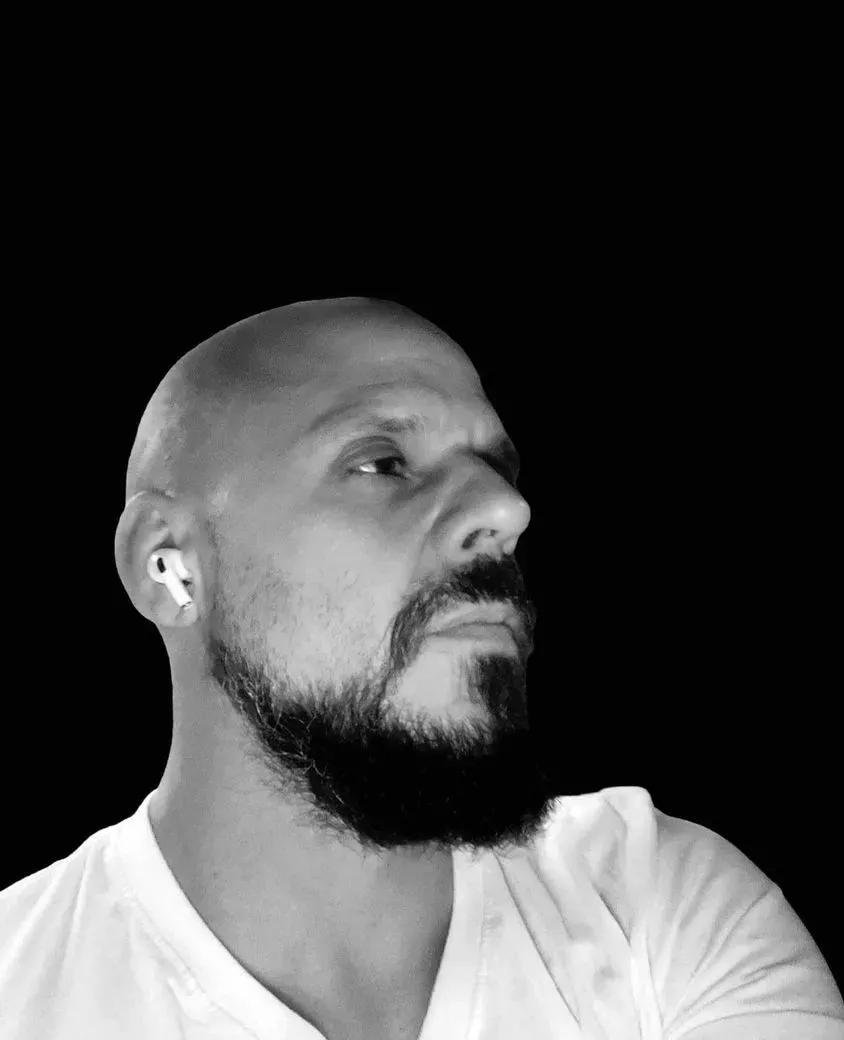
About Your Counsellor
Shaun Morrison, MPCC
Founder & Lead Counsellor – Momentum Mindfulness
Shaun Morrison is the founder and lead counsellor at Momentum Mindfulness. He is a Registered Master Practitioner in Clinical Counselling (MPCC) and works with men across Canada who are dealing with anxiety, anger, relationship struggles, emotional disconnection, and unresolved past experiences.
Shaun specializes in men’s mental health, relationship repair, emotional regulation, and personal growth. His work focuses on helping men understand the underlying patterns that drive frustration, shame, destructive habits, or feeling stuck in life. Rather than offering surface-level advice, Shaun works with clients to identify root causes, develop practical coping strategies, and rebuild a stronger sense of purpose and direction.
With years of experience supporting men through difficult life transitions, Shaun provides counselling that is direct, grounded, and practical. His approach combines evidence-informed counselling practices with honest conversation and clear tools that help clients make meaningful changes in their lives, relationships, and emotional wellbeing.
As a Master Practitioner in Clinical Counselling (MPCC), Shaun adheres to professional standards for ethical counselling practice and client confidentiality. His work is focused on creating a supportive environment where men can speak openly, address challenges without judgment, and build healthier ways of coping with stress, anger, and anxiety.
Through Momentum Mindfulness, Shaun supports men who want to become more present partners, fathers, and leaders in their own lives while building healthier relationships and a stronger connection to themselves.
The Core Problem
Many men experience strong emotions such as anger, frustration, stress, or sadness but struggle to manage or express those emotions in healthy ways.
Emotional regulation refers to the ability to recognize emotions, understand what triggers them, and respond in a way that supports wellbeing rather than creating harm or conflict. When emotional regulation skills are limited, people may react impulsively, suppress emotions, withdraw from conversations, or experience repeated emotional outbursts. Commonly observed in relationships.
The good news is that emotional regulation is not a fixed trait. It is a skill that can be learned and strengthened over time through awareness, practice, and supportive guidance. In this guide we will explore the most common emotional regulation challenges men experience and practical strategies that help build greater emotional stability.
-
Emotional regulation is the ability to understand, manage, and respond to emotions in a balanced way. It involves recognizing emotional triggers, controlling impulsive reactions, and choosing healthier ways to respond to stress, frustration, or conflict.
The Most Common Emotional Regulation Challenges for Men
Emotional regulation problems rarely appear suddenly. In many cases, they develop gradually through patterns of emotional suppression, stress, and learned coping strategies.
Below are some of the most common emotional challenges men experience.

The 7 Core Emotional Regulation Challenges Men Experience
1. Difficulty Identifying Emotions
Many men have never learned how to clearly identify what they are feeling. Instead of recognizing specific emotions such as disappointment, fear, or vulnerability, emotions may appear only as frustration or anger.
Without emotional awareness, it becomes difficult to respond thoughtfully to emotional situations.
2. Emotional Suppression
Some men learn early in life to hide or suppress emotions. Social expectations sometimes encourage men to avoid showing vulnerability or emotional discomfort.
While suppression may appear like control, it often causes emotions to build internally until they eventually surface as stress, irritability, or anger.
3. Anger as the Default Emotion
For many men, anger becomes the most visible emotional response because it feels more socially acceptable than sadness, fear, or vulnerability.
Anger can sometimes act as a protective reaction when deeper emotions remain unrecognized.
4.Emotional Overload
When emotional stress accumulates over time, small frustrations may trigger unexpectedly strong reactions.
This often occurs when emotions have been ignored for long periods or when stress levels remain high.
5. Avoiding Emotional Conversations
Some men avoid emotionally vulnerable discussions because they feel uncomfortable or uncertain about how to express their thoughts.
Avoidance may reduce discomfort temporarily but can lead to unresolved tension in relationships.
6. Impulsive Emotional Reactions
When emotional regulation is limited, reactions may occur before there is time to reflect.
This can lead to regret after arguments, conflict escalation, or damaged relationships.
7. Difficulty Calming Down After Conflict
Some individuals struggle to return to emotional balance after conflict or stress. This can result in rumination, resentment, or prolonged tension.
Learning how to calm the nervous system and reset emotional responses is a key part of emotional regulation.
-
Emotional regulation challenges often appear as emotional suppression, impulsive reactions, avoidance of difficult emotions, or difficulty calming down after stress. Recognizing these patterns is the first step toward building healthier emotional responses.
Why Emotional Regulation Issue Develop
Most people develop emotional regulation gradually over time. However, certain experiences can make it more difficult to manage emotions effectively.
Learned Emotional Habits
People often develop emotional habits based on how emotions were handled in their childhood environment.
Some individuals grow up in environments where emotions were openly discussed, while others may learn to suppress emotions or avoid conflict.
Stress and Life Pressure
Work demands, financial stress, family responsibilities, and major life transitions can overwhelm emotional coping systems.
High stress can reduce patience and increase emotional reactivity.
Unprocessed Past Experiences
Past experiences such as trauma, loss, or unresolved conflict may influence how people react emotionally in the present.
When emotional experiences remain unresolved, they may surface during stressful situations.
Lack of Emotional Awareness
Many people simply never learned how to recognize emotional signals within their body or thoughts.
Developing emotional awareness is often the first step toward improving regulation.
-
Emotional regulation difficulties often develop through learned habits, stress, unresolved emotional experiences, and limited emotional awareness.
Understanding these influences helps individuals approach emotional challenges with greater clarity rather than self-criticism.
Why Men Often Struggle With Emotional Regulation
Many men grow up with social expectations that discourage emotional expression. Messages such as “be strong” or “handle it yourself” can create habits of managing emotions privately rather than sharing them openly.
Because of this, some men may suppress emotions, withdraw during emotional conversations, or struggle to identify what they are feeling.
Developing emotional awareness and learning new coping strategies can gradually improve emotional stability and communication.

-
Many men are socialized to suppress emotions rather than express them openly. Over time this can limit emotional awareness and make it harder to manage strong emotions such as anger, stress, or frustration.
How to Improve Emotional Regulation
Emotional regulation can improve with consistent practice and greater emotional awareness.
Healthy emotional regulation does not mean eliminating emotions. Instead, it means learning how to respond to emotions thoughtfully rather than impulsively.
Increase Emotional Awareness
The first step is learning to recognize emotions as they appear.
This may involve noticing physical signals such as tension, rapid heartbeat, or irritability, which often indicate emotional activation.
Pause Before Reacting
Taking a moment to pause before responding during emotionally intense situations can prevent impulsive reactions.
This short pause allows the brain to shift from automatic emotional response to thoughtful decision making.
Use Healthy Coping Strategies
Healthy coping strategies may include deep breathing, exercise, journaling, talking with trusted people, or taking a short break from stressful situations.
These strategies help reduce emotional intensity and restore balance.
Reframe the Situation
Changing the way we interpret a situation can significantly influence emotional reactions.
This technique, known as cognitive reappraisal, helps reduce emotional intensity by shifting perspective.
Focus on Problem Solving
Instead of staying stuck in emotional reactions, shifting toward problem-solving can help create constructive solutions to stressful situations.
-
Improving emotional regulation involves increasing emotional awareness, pausing before reacting, using healthy coping strategies, and approaching difficult situations with problem-solving rather than impulsive reactions.
How Shaun Can Help You Develop Emotional Regulation Skills

Developing emotional regulation skills can take time, especially when emotional patterns have been present for many years.
Shaun Morrison works with men who want to better understand their emotional responses, manage stress more effectively, and build healthier ways of coping with frustration, anger, or emotional overwhelm.
Through counselling, clients can learn to recognize emotional triggers, develop practical coping strategies, and respond to difficult situations with greater clarity and control.
The goal is not to eliminate emotions but to build the ability to experience emotions without feeling overwhelmed or losing control.
For men who feel stuck in patterns of stress, anger, or emotional shutdown, counselling can provide a supportive space to develop greater emotional awareness and resilience.
Frequently Asked Questions
Emotional regulation is an important skill for maintaining healthy relationships, managing stress, and responding calmly during challenging situations. Many men experience strong emotions such as frustration, anger, or overwhelm but may not always have the tools to understand or manage those feelings effectively.
Below are answers to some of the most common questions about emotional regulation, including what it is, why many men struggle with it, and how emotional regulation skills can be developed over time.
-
Emotional regulation is the ability to understand, manage, and respond to emotions in a healthy and balanced way.
-
Many men grow up with social expectations that discourage emotional expression. This can make it harder to identify and communicate emotions later in life.
-
Yes. Emotional regulation is a skill that can improve through awareness, practice, and supportive guidance such as counselling.
-
Common signs include impulsive reactions, emotional suppression, difficulty calming down after conflict, and frequent emotional overwhelm.
-
Counselling can help individuals understand emotional triggers, develop coping strategies, and build healthier emotional responses to stress and conflict.
Based in Breton, Alberta | Online Counselling Across Alberta and BC
Momentum – Counselling for Men Ltd. is led by Shaun Morrison, a Master Practitioner in Clinical Counselling (MPCC) and provides secure online counselling for men across Alberta and British Columbia. While the practice is registered in Breton, Alberta, all sessions are conducted virtually to ensure accessibility, privacy, and flexibility.
Men regularly connect from Calgary, Edmonton, Red Deer, Lethbridge, Vancouver, Victoria, Kelowna, Nanaimo, and surrounding communities. Whether you live in a larger city or a smaller town, online counselling offers the same structured, practical approach focused on relationship repair, addiction recovery support, and rebuilding confidence and purpose.
Office Location
Momentum – Counselling for Men Ltd.
4811 53 Ave
Breton, AB T0C 0B8
Phone: +1 877 714 4769
This is the registered business location. All counselling sessions are provided online.
Contact Us
A Safe Space to Begin Your Journey
Reaching out for support takes courage. At Momentum Mindfulness, we honour that first step by creating a compassionate and confidential space where you can begin your path toward growth, healing, and clarity. Whether you’re seeking guidance for relationship challenges, stress management, addiction recovery, or overall emotional wellbeing, we’re here to listen and help you find a path forward.
Our approach is grounded in mindfulness and evidence-based counselling practices. Every session is designed to meet you where you are — supporting your unique story, values, and pace. Sometimes, just having someone to talk to can make all the difference.
info@momentummindfulness.com
(877) 714-4769