Anxiety Symptoms: Signs, Causes, and How to Manage Anxiety
Anxiety is a natural psychological and physical response to perceived stress or danger. It activates the body’s fight-or-flight response, a survival mechanism designed to prepare a person to react quickly to threats. When functioning normally, anxiety can help people stay alert, focused, and prepared for challenging situations.
What Anxiety Is and Why It Happens
Anxiety is a natural psychological and physical response to perceived stress or danger. It activates the body’s fight-or-flight response, a survival mechanism designed to prepare a person to react quickly to threats. When functioning normally, anxiety can help people stay alert, focused, and prepared for challenging situations.
However, when anxiety becomes frequent, overwhelming, or persistent, it can begin to interfere with daily life. People experiencing chronic anxiety may feel constantly tense, worried, or mentally exhausted even when there is no immediate threat present.
In many cases, anxiety develops when the brain interprets everyday situations as potential dangers. This triggers a cascade of physiological reactions such as increased heart rate, heightened alertness, and muscle tension.
Understanding how anxiety works is the first step toward learning how to manage it effectively.
-
Neuroscience research shows that anxiety is closely linked to activity in the amygdala, a region of the brain involved in threat detection and emotional processing. When the amygdala becomes overactive, it can trigger stress responses even in situations that are not objectively dangerous.
Source:
LeDoux, J. (2012). Rethinking the emotional brain. Neuron.
Common Symptoms of Anxiety
Anxiety affects both the mind and the body. While the exact experience varies from person to person, several symptoms commonly appear when anxiety becomes persistent.
-
People experiencing anxiety often report:
• constant worry or nervousness
• feeling overwhelmed by everyday situations
• difficulty relaxing or calming the mind
• irritability or emotional tension
• fear that something bad may happen
These emotional symptoms can make it difficult to focus, enjoy activities, or feel present in daily life
-
Anxiety frequently produces noticeable physical sensations in the body, including:
• rapid heartbeat
• muscle tension
• restlessness
• sweating
• dizziness or light-headedness
• stomach discomfort
• difficulty sleeping
Because anxiety activates the body’s stress response system, these physical symptoms are a direct result of increased nervous system activity.
-
Anxiety also affects how people think. Many individuals experience:
• racing thoughts
• constant overthinking
• difficulty concentrating
• catastrophizing or imagining worst-case scenarios
• feeling mentally “on edge”
Over time, these patterns can create a cycle where anxious thoughts reinforce physical symptoms and vice versa.
-
Research shows that anxiety disorders involve heightened activation of the sympathetic nervous system, which controls the body’s stress response. This activation explains why anxiety can produce both psychological and physical symptoms simultaneously.
Source:
American Psychiatric Association. Diagnostic and Statistical Manual of Mental Disorders (DSM-5).
What Causes Anxiety
Anxiety rarely has a single cause. Instead, it usually develops through a combination of biological, psychological, and environmental factors.
Stress and Life Pressure
Prolonged stress is one of the most common contributors to anxiety. Work pressure, financial concerns, relationship conflict, or major life transitions can gradually increase mental strain.
When stress continues without sufficient recovery time, the nervous system may remain in a constant state of alertness.
Genetics and Brain Chemistry
Some people have a genetic predisposition to anxiety disorders. Differences in brain chemistry and neurotransmitter activity can influence how individuals process stress and fear.
Learned Thought Patterns
Cognitive patterns also play a significant role. People who frequently expect negative outcomes or focus on potential dangers may experience higher levels of anxiety.
These patterns can develop through past experiences, upbringing, or repeated stressful situations.

-
Large population studies suggest that anxiety disorders have a heritable component of approximately 30–40 percent, meaning genetic factors contribute significantly to vulnerability.
Source:
Hettema, J. (2001). A review and meta-analysis of the genetic epidemiology of anxiety disorders. American Journal of Psychiatry.
Anxiety Symptoms in Individual
Anxiety affects both men and women, but individual sometimes experience or express anxiety differently. Social expectations around independence, resilience, and emotional control may lead some individual to internalize stress rather than discuss it openly.
As a result, anxiety in individual may appear through behaviours such as:
-
Rather than expressing worry directly, some individual experience anxiety as persistent irritability or anger. Increased tension in the nervous system can make emotional reactions stronger and more difficult to regulate.
-
Many individual respond to anxiety by focusing heavily on work or responsibilities. While productivity can temporarily distract from stress, it may also contribute to long-term burnout.
-
Anxiety can cause some men to withdraw socially or emotionally. This withdrawal may appear as avoiding conversations, suppressing emotions, or isolating from others.
Recognizing these patterns can help individual identify anxiety earlier and explore healthier ways of coping.
-
Research on gender and mental health shows that individual are less likely to seek help for anxiety symptoms, which may contribute to symptoms persisting longer before treatment is pursued.
Source:
Addis & Mahalik (2003). Masculinity and the contexts of help seeking. American Psychologist.
How To Manage Anxiety
Although anxiety can feel overwhelming, many strategies can help regulate the stress response and improve emotional balance.
Lifestyle Adjustments
Regular sleep, exercise, and balanced nutrition support nervous system regulation and resilience to stress.
Mindfulness and Breathing Techniques
Practices such as slow breathing, meditation, and grounding exercises can calm the body’s stress response and reduce anxious thinking.
Cognitive Awareness
Learning to recognize negative thought patterns can help individuals challenge catastrophic thinking and develop more balanced perspectives.
Professional Counselling
Therapy provides structured support for understanding anxiety triggers, developing coping strategies, and building emotional resilience.
Evidence-based approaches such as Cognitive Behavioural Therapy (CBT) are widely used to treat anxiety disorders.
-
Meta-analysis studies consistently show that Cognitive Behavioural Therapy is one of the most effective treatments for anxiety disorders, producing significant improvements in symptoms.
Source:
Hofmann et al. (2012). The efficacy of cognitive behavioral therapy. Cognitive Therapy and Research.
When Anxiety May Need Professional Support
Occasional anxiety is a normal part of life. However, professional support may be helpful if anxiety:
• interferes with daily functioning
• causes persistent sleep difficulties
• leads to panic attacks
• affects relationships or work performance
• feels difficult to control
Counselling can help individuals better understand the underlying causes of anxiety and develop healthier coping strategies.
Frequently Asked Questions
Anxiety is one of the most common mental health challenges people experience, yet many individuals are unsure how to recognize the symptoms or what steps can help reduce it. Questions about anxiety often arise when worry, stress, or physical tension begin interfering with everyday life.
Understanding how anxiety works can make it easier to recognize when normal stress has developed into something that may need attention or support. Learning about symptoms, coping strategies, and treatment options can help people feel more prepared to manage anxiety and regain a sense of balance.
Below are answers to some of the most common questions about anxiety, including warning signs to watch for, practical ways to calm anxiety when it appears, and which forms of therapy are most effective in treating anxiety disorders.
-
Common warning signs of anxiety include persistent worry, restlessness, difficulty concentrating, irritability, and physical symptoms such as rapid heartbeat or muscle tension. These symptoms often appear together and may increase during stressful situations.
-
When anxiety appears, calming the nervous system can help. Slow breathing, grounding exercises, and shifting attention to the present moment can reduce stress responses. Regular physical activity, sleep, and talking with a supportive person can also improve emotional regulation.
-
Short-term anxiety relief techniques include slow breathing, progressive muscle relaxation, walking, or focusing attention on sensory experiences such as sounds or physical surroundings. These techniques help activate the body’s relaxation response.
-
Cognitive Behavioural Therapy (CBT) is one of the most widely studied and effective treatments for anxiety. CBT helps individuals identify and change unhelpful thought patterns, reduce avoidance behaviours, and develop healthier coping strategies.
-
Yes, communication problems in relationships can often improve when both partners are willing to develop greater awareness and change unhealthy communication patterns.
Healthy communication involves more than simply talking more often. It requires listening without interrupting, expressing emotions honestly, and approaching disagreements with respect rather than blame.
Small changes in how partners communicate can gradually rebuild trust and emotional safety. Over time, couples who practice active listening, express their needs clearly, and remain open to understanding each other’s perspectives often find that conflicts become easier to resolve.
In situations where communication patterns feel deeply entrenched, relationship counselling can provide valuable support and practical tools to help couples communicate more effectively.
Book Your Anxiety Counselling Session
Anxiety often develops gradually. What begins as occasional stress or worry can slowly turn into persistent nervousness, racing thoughts, difficulty relaxing, or sleep problems. Many people push through these symptoms for months before realizing how much anxiety is affecting their wellbeing.
Individual counselling provides a confidential space to explore the causes of anxiety and develop practical strategies to manage stress, overthinking, and emotional tension.
If you are unsure whether anxiety may be affecting you, you can start with a mental health checkup to better understand your current stress levels.
Counselling often includes learning emotional regulation strategies for individual, understanding how counselling works, and developing healthier ways to respond to stress.
If anxiety has been building over time, you may also want to explore burnout symptoms or take a burnout self-assessment.
If you are wondering whether therapy might help, you can read about signs you might benefit from counselling or learn more about our mental health counselling.


Individual Counselling
50 min session
Personalized counselling support for stress, anxiety, relationship challenges, addictive behaviour patterns, emotional regulation, and personal growth.
How Shaun Helps Individual Manage Anxiety and Regain Mental Balance
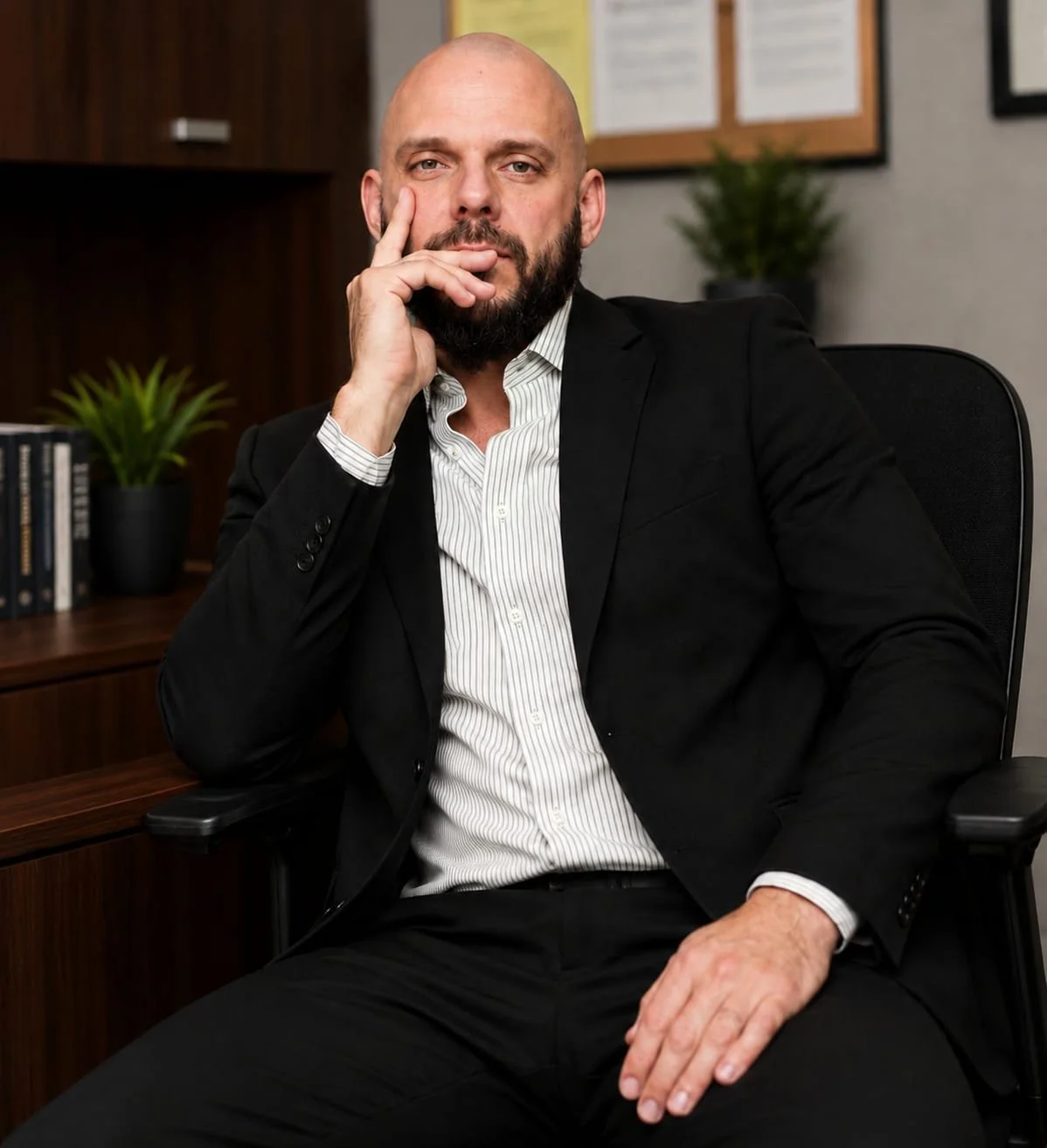
Anxiety can feel overwhelming and difficult to manage, especially when constant worry, overthinking, or physical tension begins affecting everyday life. Shaun Morrison works with individual who want to better understand their anxiety, calm their nervous system, and develop healthier ways of responding to stress.
As a Master Practitioner in Clinical Counselling (MPCC), Shaun helps clients recognize the patterns that often contribute to anxiety, such as chronic stress, racing thoughts, emotional pressure, or difficulty switching off from responsibilities. Many individual try to push through anxiety privately, which can lead to mental exhaustion, irritability, or burnout over time.
Through counselling, clients learn practical strategies for managing anxiety, including improving emotional regulation, identifying triggers, and changing the thought patterns that fuel persistent worry. Sessions focus on building awareness, strengthening coping skills, and helping the nervous system return to a more balanced state.
For individual who feel stuck in cycles of overthinking, stress, or persistent anxiety, counselling provides a supportive space to slow down, understand what is happening internally, and develop tools that restore clarity, confidence, and emotional stability.
Based in Breton, Alberta | Online Counselling Across Alberta and BC
Momentum Virtual Counselling is led by Shaun Morrison, a Master Practitioner in Clinical Counselling (MPCC) and provides secure online counselling for individual across Alberta and British Columbia. While the practice is registered in Breton, Alberta, all sessions are conducted virtually to ensure accessibility, privacy, and flexibility.
Individual regularly connect from Calgary, Edmonton, Red Deer, Lethbridge, Vancouver, Victoria, Kelowna, Nanaimo, and surrounding communities. Whether you live in a larger city or a smaller town, online counselling offers the same structured, practical approach focused on relationship repair, addiction recovery support, and rebuilding confidence and purpose.
Office Location
Momentum Virtual Counselling
4811 53 Ave
Breton, AB T0C 0B8
Phone: +1 877 714 4769
This is the registered business location. All counselling sessions are provided online.
Contact Us
A Safe Space to Begin Your Journey
Reaching out for support takes courage. At Momentum Virtual Counselling, we honour that first step by creating a compassionate and confidential space where you can begin your path toward growth, healing, and clarity. Whether you’re seeking guidance for relationship challenges, stress management, addiction recovery, or overall emotional wellbeing, we’re here to listen and help you find a path forward.
Our approach is grounded in mindfulness and evidence-based counselling practices. Every session is designed to meet you where you are — supporting your unique story, values, and pace. Sometimes, just having someone to talk to can make all the difference.
info@momentummindfulness.com
(877) 714-4769