
Understanding Therapy: How Counselling Works
Starting counselling can feel unfamiliar, especially if you have never spoken to a therapist before. Many people wonder what actually happens during a counselling session, how the process works, and whether therapy can genuinely help with the challenges they are facing.
The Purpose of Counselling
Counselling is not simply a conversation about problems. It is a structured and supportive process designed to help individuals better understand their thoughts, emotions, and behaviour patterns while developing healthier ways of navigating life’s challenges.
For many individual, counselling becomes a place to slow down, reflect, and gain clarity about stress, relationships, identity, emotional struggles, and personal direction. Whether someone is dealing with a specific issue or simply feeling stuck, counselling can provide the space and tools needed to move forward.
Counselling provides a safe and confidential environment where individuals can explore challenges that may be difficult to discuss elsewhere. Many people carry emotional stress, unresolved experiences, or internal pressures that gradually affect their wellbeing, relationships, and sense of direction in life.
The goal of counselling is not to judge or label a person. Instead, the process focuses on understanding what someone is experiencing and identifying patterns that may be influencing their emotions, behaviour, and decisions.
Through guided conversations and practical strategies, counselling helps individuals build emotional awareness, strengthen coping skills, and develop healthier ways of responding to stress, conflict, and life transitions.
Over time, this process often leads to greater clarity, improved relationships, and a stronger sense of stability and confidence.
-
Research in psychotherapy consistently shows that structured counselling can significantly improve emotional wellbeing, reduce symptoms of anxiety and depression, and strengthen coping abilities during stressful life situations.
Source:
-American Psychological Association (2012)
What Counselling Is and What It is Not
Many people begin counselling with misconceptions about what therapy involves. Some imagine that counselling means endlessly talking about childhood experiences, while others worry they will be judged or told how to live their lives.
In reality, counselling is a collaborative process. A counsellor does not dictate decisions or impose solutions. Instead, therapy helps individuals explore their experiences, understand emotional patterns, and develop practical tools for change.
Counselling is also not only for people in crisis. Many individuals seek therapy to gain clarity, improve relationships, develop emotional regulation skills, or navigate major life transitions.
For individual who are used to solving problems independently, counselling can initially feel unfamiliar. However, many clients find that having a neutral space to think through challenges can provide perspective that is difficult to reach alone.
-
Clinical research consistently shows that the therapeutic relationship between counsellor and client is one of the strongest predictors of successful outcomes in therapy
Source:
-Norcross, J. C., & Lambert, M. J. (2018). Psychotherapy Relationships That Work III.
The First Counselling Session
The first counselling session is typically focused on understanding the client’s situation and establishing a comfortable starting point for the therapeutic process.
During this session, the counsellor may ask questions about current challenges, personal history, emotional experiences, and the goals the client hopes to achieve through counselling. This conversation helps both the counsellor and the client develop a clearer understanding of what areas may be helpful to explore.
Some clients arrive with a specific concern such as stress, relationship conflict, addiction related behaviours, or emotional overwhelm. Others simply know that something in life feels off but are unsure how to describe it.
There is no right or wrong way to begin counselling. The first session is simply a starting point for understanding what is happening and determining how therapy may help.

-
The first counselling session is mainly focused on understanding your situation and identifying what you would like help with. Your counsellor may ask questions about current challenges, emotional experiences, personal background, and the goals you hope to achieve through counselling. The session is not about judgment or immediate solutions. Instead, it is an opportunity to begin exploring what is going on in your life and determine how counselling may support you moving forward. Many clients also use the first session to ask questions and see whether the counselling approach feels like a good fit.
How the Counselling Process Develops Over Time
Counselling rarely works as a one time solution. Meaningful change usually happens gradually through a series of conversations that build awareness, understanding, and practical coping strategies.
As therapy progresses, clients often begin to identify patterns in their thoughts, behaviours, and emotional responses. These patterns may be connected to stress, past experiences, relationship dynamics, or long standing beliefs about responsibility and identity.
With greater awareness, individuals can begin experimenting with new approaches to managing stress, communicating more effectively, and responding differently to situations that previously felt overwhelming.
The counselling process is flexible and adapts to the needs of each individual. Some clients attend therapy for a short period to address a specific concern, while others continue longer to explore deeper personal growth.
-
Research on behaviour change shows that lasting improvement usually occurs through small, consistent adjustments rather than sudden transformation.
Source:
Prochaska, J. O., & DiClemente, C. C. (1983).
Journal of Consulting and Clinical Psychology.

What Happens During a Counselling Session
Each counselling session typically involves open conversation, reflection, and practical exploration of the client’s experiences.
Sessions may include discussing current stressors, identifying emotional triggers, exploring relationship patterns, or examining beliefs that influence behaviour. The counsellor may also introduce strategies to help manage emotions, reduce stress, or approach challenges in new ways.
Counselling sessions are not rigidly structured, but they are guided with purpose. The goal is to help the client develop insight while also gaining practical tools that can be applied in everyday life.
Over time, many clients notice improvements in emotional clarity, communication skills, stress management, and overall wellbeing.
How Counselling Helps with Real Life Challenges
People seek counselling for many different reasons, including:
Burnout and work pressure
Major life transitions
While each person’s situation is unique, counselling helps by creating a space where these challenges can be explored openly and constructively.
Rather than simply focusing on symptoms, counselling helps individuals understand the underlying factors contributing to their struggles and develop healthier ways to respond.
Online Counselling Sessions
Modern counselling is often delivered through secure online sessions, allowing clients to receive professional support from the comfort and privacy of their own environment.
Online therapy offers flexibility and accessibility for individuals who may have demanding schedules, travel frequently, or prefer the convenience of remote sessions.
Many people find that speaking from a familiar environment makes it easier to open up and engage in meaningful conversations during counselling.
-
Studies comparing online therapy with traditional in person counselling show that virtual therapy can be equally effective for many mental health concerns including anxiety, depression, and stress related challenges.
Source:
-Andersson, G. (2018)
Internet-Delivered Psychological Treatments
Annual Review of Clinical Psychology
How Shaun Supports Clients Through Counselling

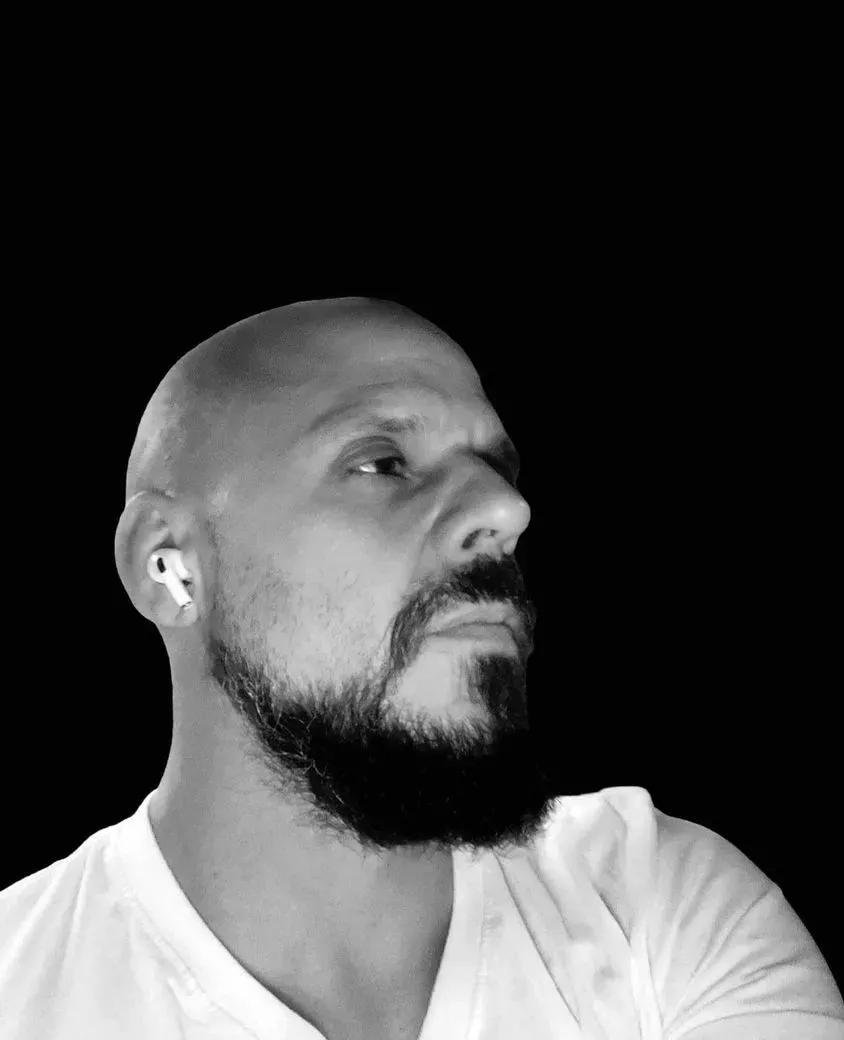
Shaun Morrison works with clients using a practical and supportive counselling approach focused on understanding emotional patterns and developing meaningful change.
As a Master Practitioner in Clinical Counselling, Shaun helps clients explore the root causes behind stress, emotional reactions, and behavioural patterns while building practical strategies for moving forward.
Counselling sessions focus on creating a respectful environment where individuals can speak openly, reflect on their experiences, and develop tools that strengthen emotional resilience and personal clarity.
For many clients, counselling becomes a place where they can better understand themselves, improve their relationships, and develop healthier ways of navigating life’s challenges.
Based in Breton, Alberta | Online Counselling Across Alberta and BC
Momentum Virtual Counselling is led by Shaun Morrison, a Master Practitioner in Clinical Counselling (MPCC) and provides secure online counselling for individual across Alberta and British Columbia. While the practice is registered in Breton, Alberta, all sessions are conducted virtually to ensure accessibility, privacy, and flexibility.
Individual regularly connect from Calgary, Edmonton, Red Deer, Lethbridge, Vancouver, Victoria, Kelowna, Nanaimo, and surrounding communities. Whether you live in a larger city or a smaller town, online counselling offers the same structured, practical approach focused on relationship repair, addiction recovery support, and rebuilding confidence and purpose.
Office Location
Momentum Virtual Counselling
4811 53 Ave
Breton, AB T0C 0B8
Phone: +1 877 714 4769
This is the registered business location. All counselling sessions are provided online.
Contact Us
A Safe Space to Begin Your Journey
Reaching out for support takes courage. At Momentum Virtual Counselling, we honour that first step by creating a compassionate and confidential space where you can begin your path toward growth, healing, and clarity. Whether you’re seeking guidance for relationship challenges, stress management, addiction recovery, or overall emotional wellbeing, we’re here to listen and help you find a path forward.
Our approach is grounded in mindfulness and evidence-based counselling practices. Every session is designed to meet you where you are — supporting your unique story, values, and pace. Sometimes, just having someone to talk to can make all the difference.
info@momentummindfulness.com
(877) 714-4769