
What Actually Happens During Your First Counselling Session
Starting therapy can feel uncertain, especially if you have never spoken with a counsellor before. Many people wonder what the first therapy session will be like, what they are expected to say, or whether they need to prepare anything beforehand.
Why the First Therapy Session Matters

In reality, the first therapy session is designed to be a low-pressure conversation focused on understanding your situation and building a comfortable starting point for the counselling process. Most sessions last around 45 to 60 minutes and focus on getting to know you, exploring what brought you to therapy, and discussing what you hope might improve over time.
The first meeting is not about solving everything immediately. Instead, it helps you and your therapist begin building trust and clarity about the challenges you are experiencing and the direction you would like your life to move in.
Focus on Comfort & Safety
Beginning therapy is often a meaningful step toward improving mental health and emotional wellbeing. The first session allows both you and the therapist to start understanding how counselling may help you navigate the challenges you are facing.
For many people, this session focuses on establishing comfort and safety. Therapy works best when there is a strong relationship between the client and the therapist, so the early sessions often focus on building that foundation.
During this stage, your therapist will likely explain how counselling works, what confidentiality means, and how future sessions may be structured.
What Happens During a First Therapy Session
-
Your therapist will usually begin by explaining how counselling works and how your information is protected. This includes discussing confidentiality and the situations where confidentiality may have legal limits.
Understanding these boundaries helps create a safe environment where you can speak openly about your experiences.
-
After introductions, the therapist will usually ask questions about what led you to seek counselling. These questions are not meant to judge or analyze you but to help the therapist understand your experiences.
Topics may include:
current stressors or life challenges
emotional struggles such as anxiety or burnout
relationship difficulties
work stress or life transitions
what you hope will improve through therapy
These conversations help the therapist understand your situation and determine how they can support you most effectively.
-
Many first sessions also involve discussing your goals for therapy. Some people come with very clear goals, while others simply know they want things to feel different.
Common therapy goals may include:
managing stress or anxiety
improving relationships
overcoming burnout or emotional exhaustion
developing healthier coping habits
gaining clarity about life direction
Your therapist may begin shaping a plan for how counselling sessions can help you move toward these goals.
-
One of the most common misconceptions about therapy is that you must arrive with a perfect explanation of your problems.
In reality, many people begin therapy simply knowing that something feels overwhelming or difficult to manage. The therapist’s role is to help guide the conversation and help you make sense of what you are experiencing.
You do not need:
a perfect explanation of your feelings
a clear diagnosis
a detailed life story
a “serious enough” problem
Therapy begins wherever you are.
What Therapy Sessions Are Actually Like
Many first-time clients expect therapy to feel intense or uncomfortable, but most sessions are simply structured conversations focused on reflection and problem solving.
The therapist may ask thoughtful questions, help you notice patterns in your thinking or behavior, and suggest strategies that may help you handle stress or emotional challenges more effectively.
Over time, therapy sessions may also involve practicing new coping strategies or exploring emotional patterns that influence your daily life.

-
The first therapy session typically includes an intake interview, a structured conversation used in clinical psychology to gather information about a person’s background, mental health concerns, and goals for treatment. This process helps clinicians develop an appropriate treatment plan tailored to the individual’s needs.
Research also shows that the therapeutic relationship, meaning the sense of trust and collaboration between therapist and client, is one of the most important predictors of successful therapy outcomes.
How Many Therapy Sessions Do People Usually Need?
Therapy length varies depending on the goals and challenges involved. Some people attend therapy for a few months to address a specific issue, while others continue longer to support personal growth or long-term wellbeing.
Short-term counselling may focus on specific concerns such as stress, burnout, or relationship difficulties, while longer-term therapy may explore deeper emotional patterns and life experiences.
The pace and duration of therapy are usually discussed openly between you and your therapist.
What Can I Expect In My First Therapy Session?
The first therapy session usually focuses on understanding your current situation and building the foundation for the therapeutic relationship. Many therapists begin with a structured conversation often called a biopsychosocial assessment, which explores several areas of your life including emotional wellbeing, stress levels, relationships, work environment, and past experiences that may influence your mental health today. This initial conversation helps the therapist understand the broader context of what you are experiencing rather than focusing only on symptoms. It also allows you and the therapist to begin identifying goals for counselling and determine what therapeutic approach may be most helpful moving forward.
Research consistently shows that the quality of the therapeutic alliance formed early in treatment is one of the strongest predictors of positive therapy outcomes, which is why the first session often focuses on understanding, trust, and collaboration rather than immediate problem solving.
-
Research consistently shows that the therapeutic alliance, the collaborative relationship between therapist and client, is one of the strongest predictors of successful therapy outcomes. Studies across multiple therapeutic approaches have found that early trust, mutual understanding, and agreement on treatment goals significantly improve the effectiveness of counselling. This is why the first therapy session often focuses on understanding the client’s experiences and building a supportive working relationship rather than immediately trying to solve problems.
Source:
Flückiger, C., Del Re, A. C., Wampold, B. E., & Horvath, A. O. (2018). The alliance in adult psychotherapy: A meta-analytic synthesis. Psychotherapy, 55(4), 316–340.
Frequently Asked Questions
Many people feel unsure about what happens during their first therapy session. It is common to wonder what you should say, what questions the therapist might ask, and whether you need to prepare anything beforehand.
Starting counselling is often a new experience, and uncertainty can make the first appointment feel intimidating. In reality, the first therapy session is designed to be a comfortable introduction where you and the therapist begin understanding your situation, discussing your goals, and exploring how counselling may help.
Below are answers to some of the most common questions people ask before attending their first therapy session. These answers explain what typically happens during the first meeting, what therapists may ask, and how the counselling process usually begins.
-
The first therapy session usually focuses on getting to know each other and understanding why you are seeking support. Therapists often begin by explaining confidentiality, discussing how therapy works, and reviewing any intake forms or consent documents.
After that, the therapist may ask questions about your current challenges, emotional wellbeing, and what led you to seek counselling. They may also ask about your personal history, relationships, coping strategies, and the goals you hope to achieve through therapy. These questions help the therapist develop a clearer understanding of your situation and determine how they can best support you moving forward.
The first session is primarily about building trust and gathering information, not solving every problem immediately.
-
For many people, the first therapy session can feel intimidating because it involves speaking openly about personal challenges with someone new. Feeling nervous, uncertain, or emotionally vulnerable before the first appointment is very common.
However, many clients find that the first session actually feels easier than expected. Therapists are trained to guide the conversation and create a safe environment where you can share at your own pace. The goal is simply to start the process and establish a comfortable working relationship.
As therapy continues, sessions often become more focused on specific patterns, emotions, or challenges that you and the therapist decide to explore together.
-
During the first therapy session, therapists often ask questions designed to better understand your experiences and goals. Common questions may include:
What led you to seek therapy right now?
How long have you been experiencing these challenges?
What have you already tried to cope with the situation?
What are your current stressors or concerns?
What would you like to improve through therapy?
Therapists may also ask about your background, relationships, mental health history, and support systems to gain a broader picture of your life. These questions help them identify patterns and determine what approaches may be most helpful in future sessions.
You are always free to answer only what you feel comfortable sharing.
-
At the beginning of the first session, therapists usually explain how counselling works and what you can expect moving forward. This typically includes discussing confidentiality, the structure of sessions, cancellation policies, and the therapist’s general approach to treatment.
Therapists also aim to help clients feel comfortable and supported by listening carefully, validating their experiences, and asking thoughtful questions. The first session is also an opportunity for you to ask questions about the therapist’s methods, experience, and how they might help with your specific concerns.
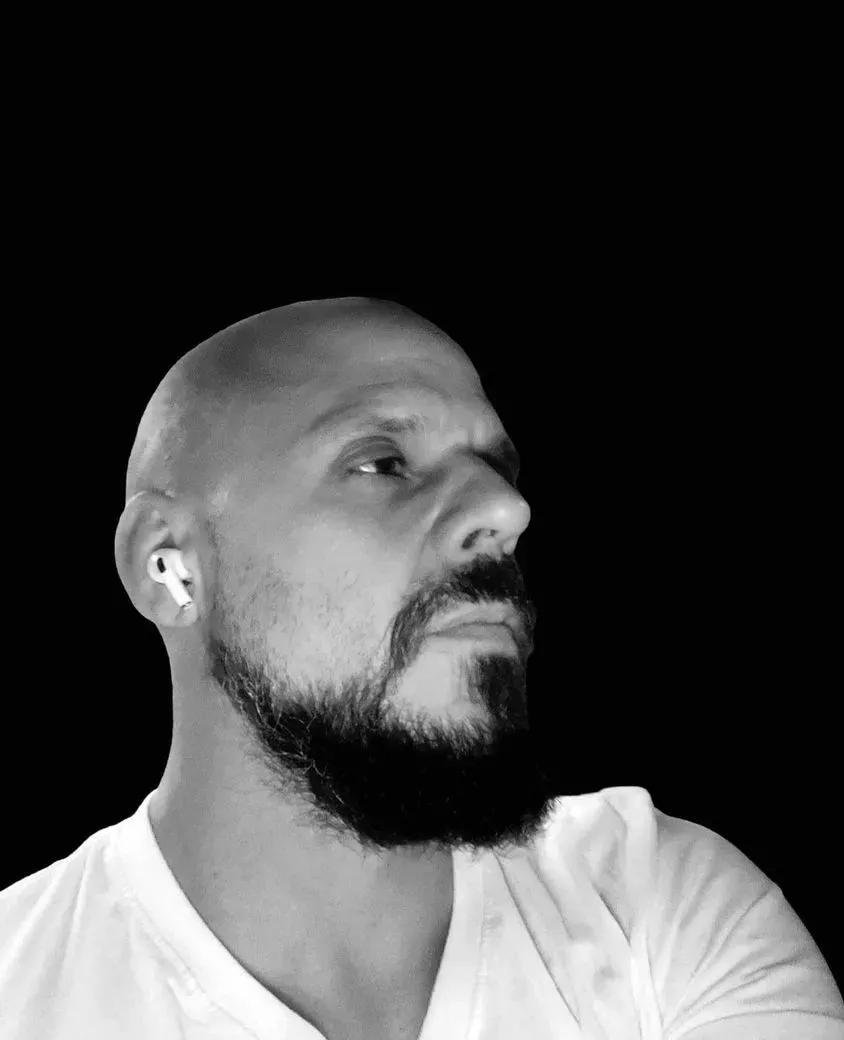
About Your Counsellor
Shaun Morrison, MPCC
Founder & Lead Counsellor – Momentum Virtual Counselling
Shaun Morrison is the founder and lead counsellor at Momentum Virtual Counselling, where he works with individual across Canada through secure online counselling. He is a Registered Master Practitioner in Clinical Counselling (MPCC)and focuses on helping clients address challenges such as anxiety, anger, emotional disconnection, relationship struggles, and periods of feeling stuck or overwhelmed.
Shaun’s work centers on mental health, relationship repair, emotional regulation, and personal growth. Many of the individual he supports are navigating high levels of stress, burnout, communication challenges, or major life transitions. Rather than focusing only on surface-level symptoms, Shaun works with clients to understand the deeper patterns behind stress, emotional reactions, and relationship dynamics.
His counselling style is direct, practical, and grounded in evidence-informed approaches. Sessions focus on helping clients gain clarity around what they are experiencing, develop healthier ways to manage stress and emotions, and build stronger relationships with the people who matter most in their lives.
As a Master Practitioner in Clinical Counselling, Shaun follows established professional standards for ethical practice, client confidentiality, and client-centred care. His goal is to provide a supportive and structured environment where individual can speak openly, understand their experiences more clearly, and develop tools that lead to lasting improvements in wellbeing.
Through Momentum Mindfulness, Shaun supports individual who want to move forward with greater purpose, stronger relationships, and a clearer sense of direction in life.
Based in Breton, Alberta | Online Counselling Across Alberta and BC
Momentum Virtual Counselling is led by Shaun Morrison, a Master Practitioner in Clinical Counselling (MPCC) and provides secure online counselling for individual across Alberta and British Columbia. While the practice is registered in Breton, Alberta, all sessions are conducted virtually to ensure accessibility, privacy, and flexibility.
Individual regularly connect from Calgary, Edmonton, Red Deer, Lethbridge, Vancouver, Victoria, Kelowna, Nanaimo, and surrounding communities. Whether you live in a larger city or a smaller town, online counselling offers the same structured, practical approach focused on relationship repair, addiction recovery support, and rebuilding confidence and purpose.
Office Location
Momentum Virtual Counselling
4811 53 Ave
Breton, AB T0C 0B8
Phone: +1 877 714 4769
This is the registered business location. All counselling sessions are provided online.
Contact Us
A Safe Space to Begin Your Journey
Reaching out for support takes courage. At Momentum Virtual Counselling, we honour that first step by creating a compassionate and confidential space where you can begin your path toward growth, healing, and clarity. Whether you’re seeking guidance for relationship challenges, stress management, addiction recovery, or overall emotional wellbeing, we’re here to listen and help you find a path forward.
Our approach is grounded in mindfulness and evidence-based counselling practices. Every session is designed to meet you where you are — supporting your unique story, values, and pace. Sometimes, just having someone to talk to can make all the difference.
info@momentummindfulness.com
(877) 714-4769